







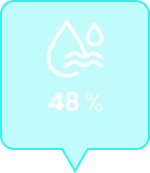

Humidity
Current: 45 (%RH)
Trend: Comfortable
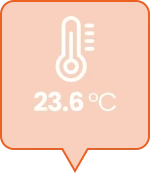
Temperature
Current: 23.6°C
Trend: Neutral
O3
Current: 0.054
Trend: Normal
TVOC
Current: 23.6°C
Trend: Neutral
Humidity
Current: 45 (%RH)
Trend: Comfortable
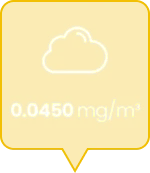
PM2.5 & PM10
Current: 0.0450 (mg/m³)
Trend: Unhealthy
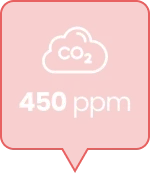
CO2
Current: 1300 (PPM)
Trend: Unhealthy
HCHO
Current: 0.030 (mg/m3)
Trend: Normal
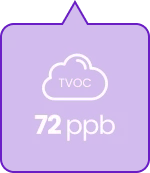
TVOC
Current: 72 (ppb)
Trend: Moderate
CO2
Current: 1300 (PPM)
Trend: Unhealthy
PM2.5 & PM10
Current: 0.0450 (mg/m³)
Trend: Unhealthy
HCHO
Current: 0.030 (mg/m3)
Trend: Normal
O3
Current: 0.054
Trend: Normal
Temperature
Current: 23.6°C
Trend: Neutral
The Hidden Problem of Indoor Air Exposure
90%
of our Time are Spent Indoors
3.2M
Pre-mature Deaths
Occur annually due to exposure to
household (Indoor) air pollution.
2.5X
Higher Pollutants Indoors
Occasionally 100x higher than outdoor
levels
Health Impacts of Ongoing Exposure
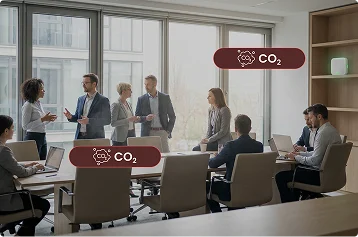
Carbon Dioxide
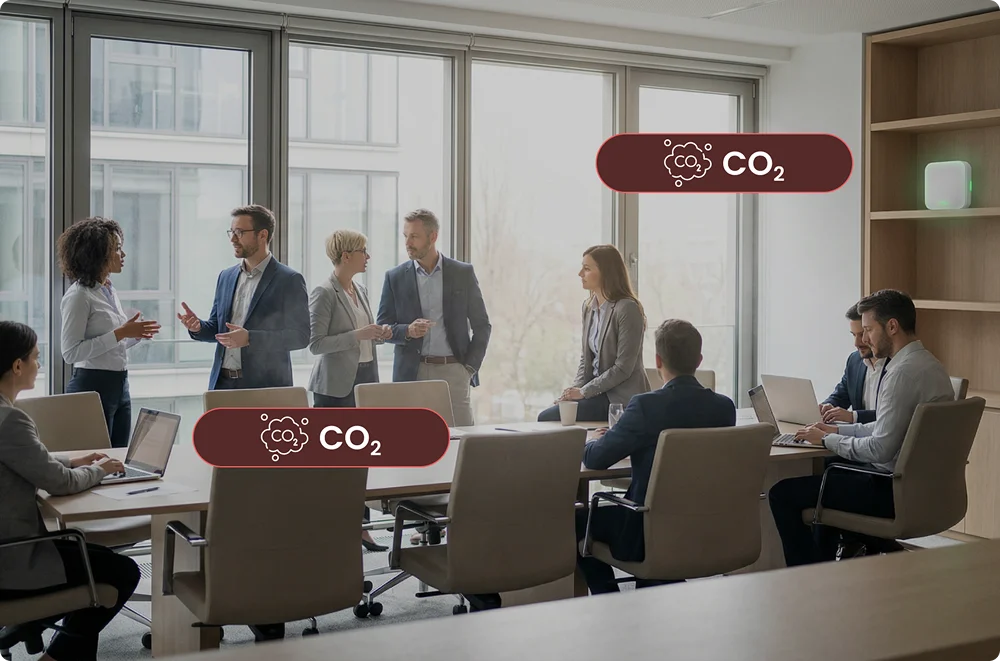
In occupied rooms, CO2 rises naturally from breathing especially in meeting rooms, classrooms, and busy offices. It’s a practical way to spot when fresh air is not keeping up with how the space is being used.
Long exposure is linked to:
- Drowsiness and headaches in under-ventilated spaces
- Reduced cognitive performance in controlled studies at typical indoor ranges
- Persistent comfort complaints when ventilation doesn’t match occupancy
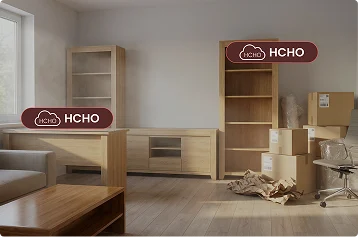
Formaldehyde
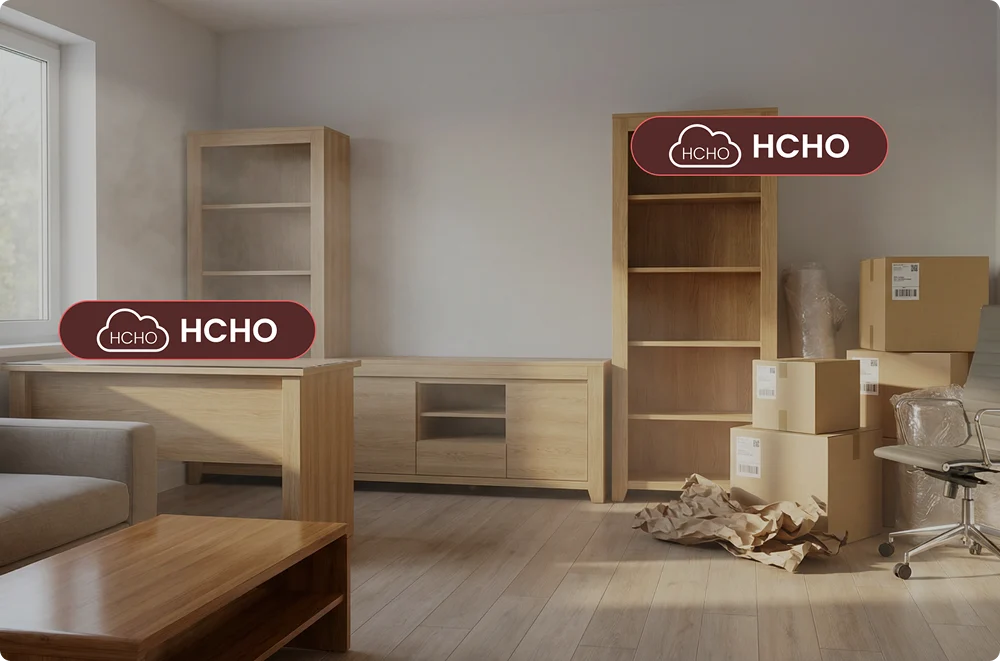
In indoor spaces, formaldehyde is commonly released from pressed-wood products, furnishings, coatings, and some household products. It tends to be more noticeable after fit-outs or when new materials are introduced.
Long exposure is linked to:
- Eye, nose, and throat irritation
- Worsening asthma and allergy symptoms
- Increased long-term concern due to carcinogenic classification
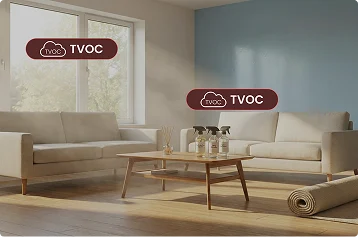
TVOC
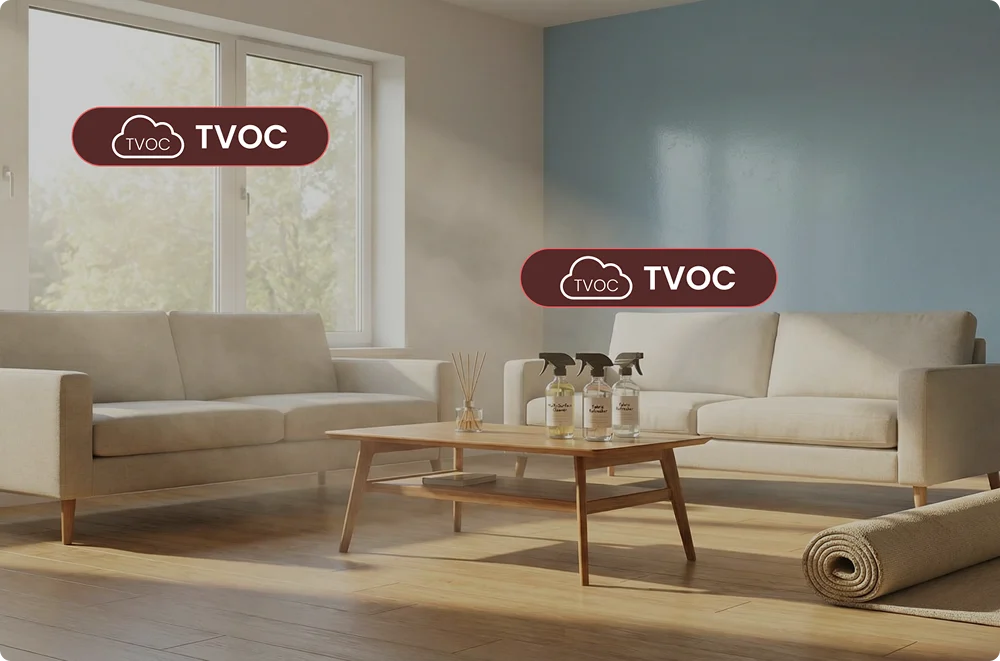
TVOCs are gases emitted inside buildings from things like paints, cleaning products, air fresheners, carpets, furniture, and office supplies. Indoor levels can stay higher than outdoors, especially after activities like painting or renovations.
Long exposure is linked to:
- Eye, nose, and throat irritation
- Headaches, nausea, and loss of coordination
- Potential liver, kidney, and central nervous system effects (compound-dependent)
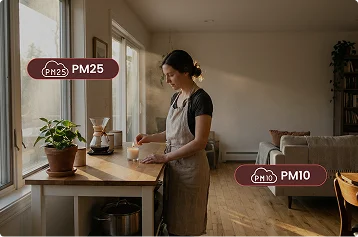
PM2.5 & PM10
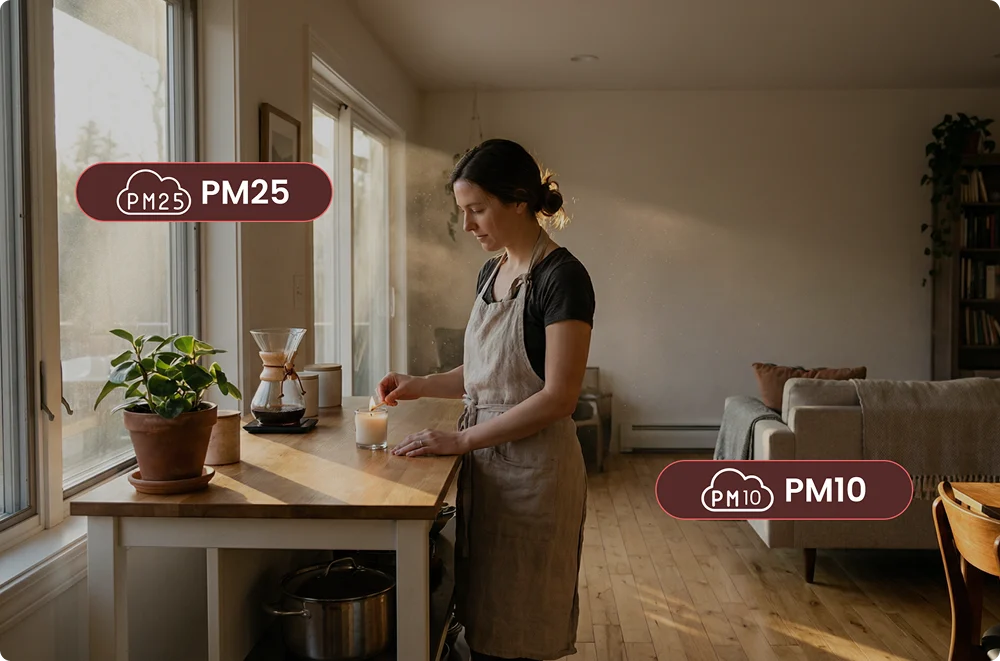
These are tiny particles that build up indoors from cooking, smoking, candles/incense, fireplaces, and some heating appliances—plus outdoor particles that enter through doors and ventilation. Once inside, particles can remain suspended and recirculate through occupied areas.
Long exposure is linked to:
- Aggravated asthma and respiratory symptoms
- Increased cardiovascular risk and heart-related outcomes
- Higher risk of premature death in people with heart or lung disease
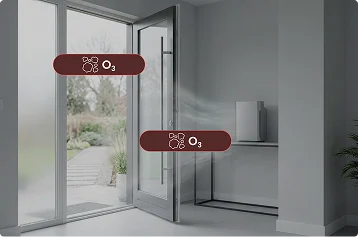
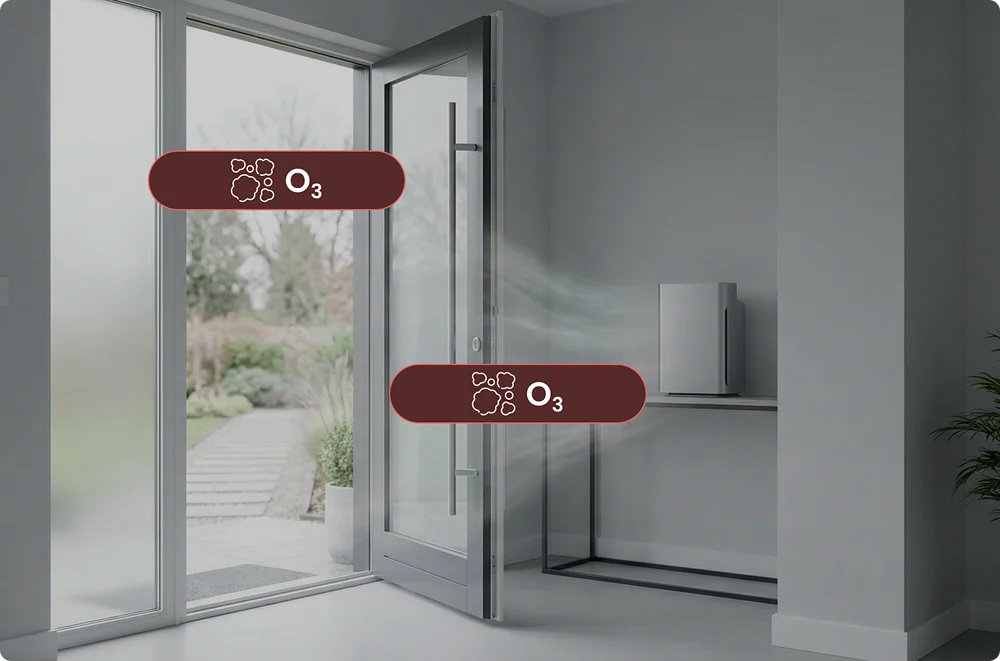
Ozone
Ozone can enter indoor spaces from outside air,
especially when doors open or fresh air is pulled in. It can also be produced indoors by some electronic air-cleaning devices that generate ozone, and breathing it can irritate airways and worsen asthma symptoms.
Long exposure is linked to:
- Coughing and shortness of breath
- Worsening asthma and bronchitis symptoms
- Airway irritation and reduced lung function over time
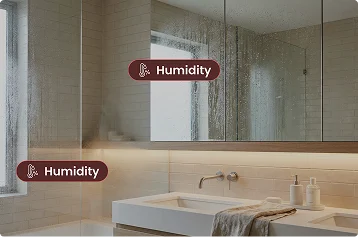
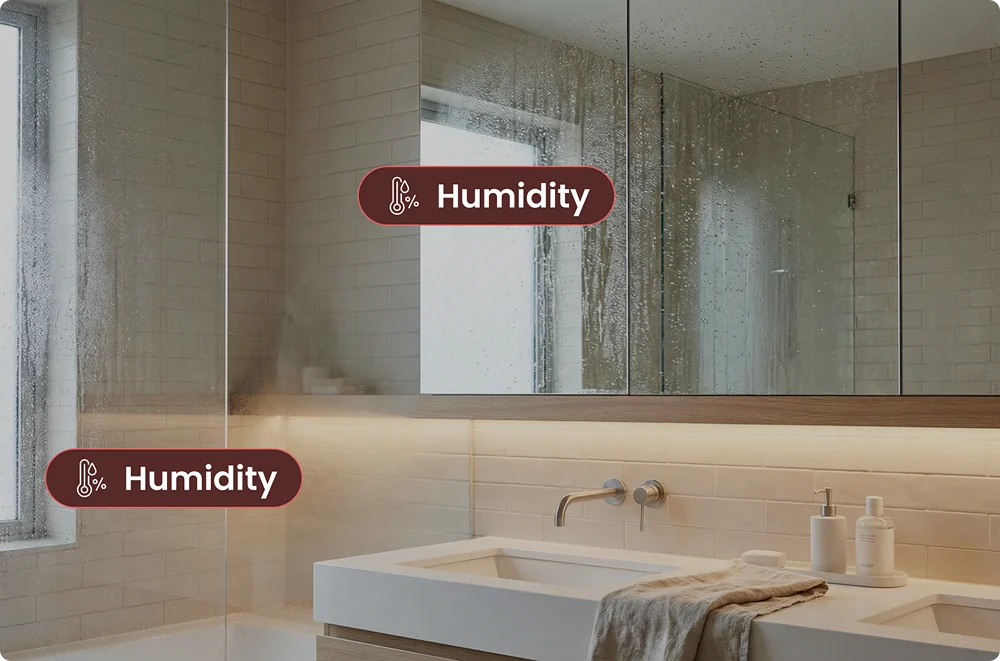
Humidity
Indoor humidity shifts with occupancy, ventilation, and moisture sources like kitchens, washrooms, and poorly ventilated areas. When it stays too high, it increases the likelihood of dampness conditions that support mold growth.
Long exposure is linked to:
- Higher likelihood of mold/allergen-related issues when humidity stays high
- Increased irritation and dryness-related discomfort when humidity stays low
- Higher survival/infectivity for some airborne microbes outside mid-range humidity bands (40–70% RH)
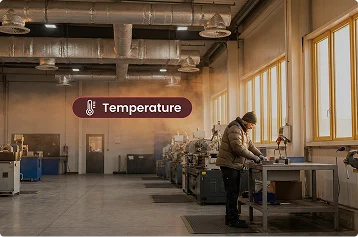
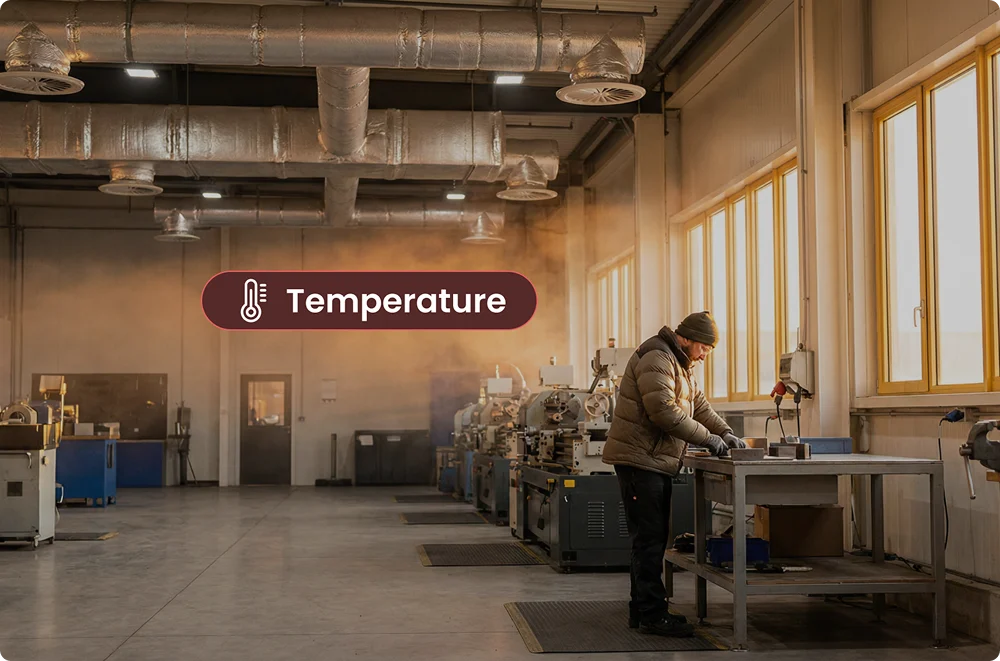
Temperature
Indoor temperature is shaped by HVAC performance, sunlight and heat sources, humidity, and airflow. In active work areas, physical effort and protective clothing can increase heat strain even indoors.
Long exposure is linked to:
- Heat stress risk under sustained high temperatures
- Reduced performance and higher fatigue
- Persistent comfort complaints when ventilation doesn’t match occupancy
Health Impacts of Ongoing Exposure
Carbon Dioxide
Formaldehyde
TVOC
PM2.5 & PM10
Ozone
Humidity
Temperature
In occupied rooms, CO2 rises naturally from breathing especially in meeting rooms, classrooms, and busy offices. It’s a practical way to spot when fresh air is not keeping up with how the space is being used.
Long exposure is linked to:
Drowsiness and headaches in under-ventilated spaces
Reduced cognitive performance in controlled studies at typical indoor ranges
Persistent comfort complaints when ventilation doesn’t match occupancy
In indoor spaces, formaldehyde is commonly released from pressed-wood products, furnishings, coatings, and some household products. It tends to be more noticeable after fit-outs or when new materials are introduced.
Long exposure is linked to:
Eye, nose, and throat irritation
Worsening asthma and allergy symptoms
Increased long-term concern due to carcinogenic classification
TVOCs are gases emitted inside buildings from things like paints, cleaning products, air fresheners, carpets, furniture, and office supplies. Indoor levels can stay higher than outdoors, especially after activities like painting or renovations.
Long exposure is linked to:
Eye, nose, and throat irritation
Headaches, nausea, and loss of coordination
Potential liver, kidney, and central nervous system effects (compound-dependent)
These are tiny particles that build up indoors from cooking, smoking, candles/incense, fireplaces, and some heating appliances—plus outdoor particles that enter through doors and ventilation. Once inside, particles can remain suspended and recirculate through occupied areas.
Long exposure is linked to:
Aggravated asthma and respiratory symptoms
Increased cardiovascular risk and heart-related outcomes
Higher risk of premature death in people with heart or lung disease
Ozone can enter indoor spaces from outside air,
especially when doors open or fresh air is pulled in. It can also be produced indoors by some electronic air-cleaning devices that generate ozone, and breathing it can irritate airways and worsen asthma symptoms.
Long exposure is linked to:
Coughing and shortness of breath
Worsening asthma and bronchitis symptoms
Airway irritation and reduced lung function over time
Indoor humidity shifts with occupancy, ventilation, and moisture sources like kitchens, washrooms, and poorly ventilated areas. When it stays too high, it increases the likelihood of dampness conditions that support mold growth.
Prolonged imbalance is linked to:
Higher likelihood of mold/allergen-related issues when humidity stays high
Increased irritation and dryness-related discomfort when humidity stays low
Higher survival/infectivity for some airborne microbes outside mid-range humidity bands (40–70% RH)
Indoor temperature is shaped by HVAC performance, sunlight and heat sources, humidity, and airflow. In active work areas, physical effort and protective clothing can increase heat strain even indoors.
Prolonged conditions are linked to:
Heat stress risk under sustained high temperatures
Reduced performance and higher fatigue
Higher discomfort and more frequent complaints when conditions drift
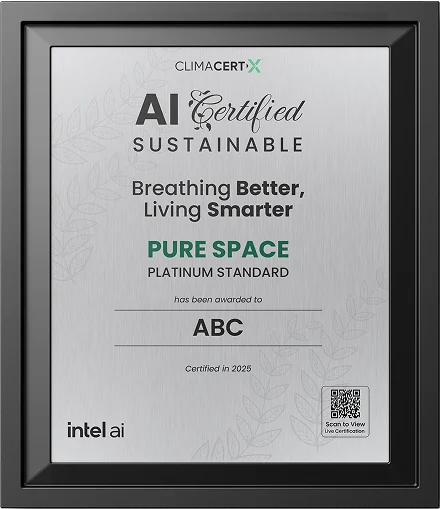
What is Pure Space?
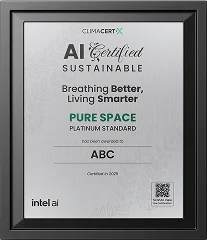
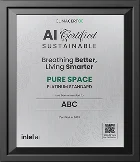
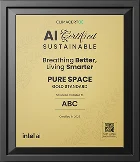
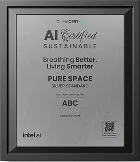
Pure Space is an AI-enabled certification that evaluates indoor health using continuous IoT sensor readings. It defines the quality of an indoor environment based on the conditions people experience inside the space. The certification verifies that indoor environments meet defined health and comfort criteria during normal occupancy.
What Pure Space Offers?

IoT-Based Monitoring
Connected sensors capture real indoor conditions across occupied spaces.

AI-Driven Certification Logic
Artificial intelligence analyses IoT readings to determine certification status and performance trends.

Continuous Assessment
Certification is maintained through ongoing evaluation rather than static audits.

Standards Alignment
Certification is evaluated against recognized indoor health, facility, and environmental standards.
Why Certify With Pure Space?
DATA-BACKED INSIGHTS
STANDARDS COMPLIANT
OCCUPANT CONFIDENCE
PERFORMANCE OPTIMISED
ESG READY
ASSET ENHANCEMENT
PERFORMANCE-BASED
Verified Indoor Health Data
AI ensures indoor health claims are supported by consistent analysis, not assumptions.
DATA-BACKED INSIGHTS
AI ensures indoor health claims are supported by consistent analysis, not assumptions.
Regulatory Compliance for IAQ
IAQ regulations are now enforced in many regions, including the UAE, Saudi Arabia, the USA, and the EU, requiring evidence of ongoing indoor air quality monitoring.
STANDARDS COMPLIANT
IAQ regulations are now enforced in many regions, including the UAE, Saudi Arabia, the USA, and the EU, requiring evidence of ongoing indoor air quality monitoring.
Reassurance for Occupants
Certified spaces reassure occupants, parents, employees, and visitors that health is actively monitored.
OCCUPANT CONFIDENCE
Certified spaces reassure occupants, parents, employees, and visitors that health is actively monitored.
Supports Productivity and Comfort
Healthy indoor environments contribute to better focus, comfort, and overall experience.
PERFORMANCE OPTIMISED
Healthy indoor environments contribute to better focus, comfort, and overall experience.
Supports ESG and Wellness Reporting
Provides measurable indoor health data that supports sustainability reporting, audits, and compliance goals.
ESG READY
Provides measurable indoor health data that supports sustainability reporting, audits, and compliance goals.
Increases Asset Value
Helps asset owners protect property value by proving indoor conditions are managed, measured, and consistently maintained.
ASSET ENHANCEMENT
Helps asset owners protect property value by proving indoor conditions are managed, measured, and consistently maintained.
Certification Based on Real Performance
Pure Space shifts certification from static checklists to ongoing performance—because indoor conditions changes every day.
PERFORMANCE-BASED
Pure Space shifts certification from static checklists to ongoing performance—because indoor conditions changes every day.
Safeguarding Health Across Every Sector
Ensuring safe, healthy, and compliant environments wherever people work, learn, and gather.
Education
Sector
Education Sector
Facility Types
- K-12 Schools
- Universities
- College Campuses
- Training Centers
- Student Housing
Key Spaces Monitored
- Classrooms
- Lecture Halls
- Laboratories
- Libraries
- Washrooms
Why Certify?
For Students
Improves concentration and health by ensuring classrooms have optimal fresh air levels.
For Parents
Provides visible reassurance that the school environment is safe, compliant, and free from hidden risks like vaping.
Hospitality, F&B
& Retail
Hospitality, F&B & Retail
Facility Types
- Hotels
- Restaurants
- Cafés
- Shopping Malls
- Luxury Boutiques
Key Spaces Monitored
- Dining Halls
- Commercial Kitchens
- Cold Storage Units
- Guest Rooms
- Retail Floors
Why Certify?
For Guests
Enhances the customer experience by ensuring dining and shopping areas are odor-free, comfortable, and fresh.
For Operations
Protects the brand by automatically tracking food safety (cold storage) and kitchen hygiene without manual errors.
Commercial Real
Estate & Workspaces
Commercial Real Estate
& Workspaces
Facility Types
- Office Towers
- Business Parks
- Co-Working Spaces
- Mixed-Use Developments
Key Spaces Monitored
- Open-Plan Offices
- Meeting Rooms
- Lobbies
- Elevators
Why Certify?
For Tenants
Enhances focus and performance by creating a healthier indoor environment that supports daily work.
For Owners
Increases asset valuation and helps attract premium tenants by proving the building is verified safe and sustainable.
Healthcare &
Medical Facilities
Healthcare & Medical
Facilities
Facility Types
- Hospitals
- Private Clinics
- Dental Centers
- Diagnostic Labs
- Pharmacies
Key Spaces Monitored
- Waiting Rooms
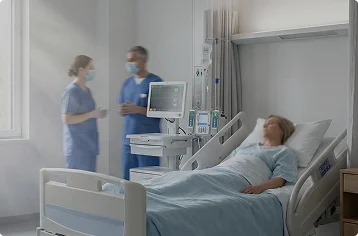
- Patient Wards
- Recovery Rooms
- Pharmacy Storage
- Sterile Corridors
Why Certify?
For Patients
Reduces infection risks and accelerates recovery by maintaining strictly controlled air quality and sterility standards.

For Staff
Protects healthcare workers from airborne contaminants and ensures compliance with strict medical facility regulations.
Fitness, Wellness
& Sports
Fitness, Wellness
& Sports
Facility Types
- Gyms
- Yoga Studios
- Spas
- Indoor Sports Complexes
- Aquatic Centers
Key Spaces Monitored
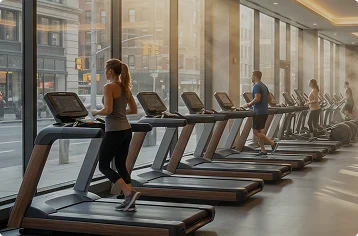
- General Workout Floors
- Recovery Lounges
- Locker Rooms
- Studios
- Pool Areas
Why Certify?
For Members
Prevents the “stuffy gym” feeling by managing CO2 and humidity, ensuring fresh air for peak physical performance.
For Owners
Actively manages odors and prevents mold growth in high-humidity
zones (like showers and saunas), protecting the facility’s hygiene rating.
Residential &
Senior Living
Residential &
Senior Living
Facility Types
- Luxury Apartment Complexes
- Student Housing
- Senior Living Communities
- Gated Communities
Key Spaces Monitored
- Lobbies
- Common Lounges
- Shared Amenity Spaces
- Gyms
- Hallways
- Elevators
Why Certify?
For Residents
Provides peace of mind that their living environment is free from mold, dampness, and pollutants, which is critical for seniors or families.
For Management
Differentiates the property as a “Wellness-First” residence, justifying premium rents and increasing tenant retention.
Safeguarding Health Across Every Sector
Ensuring safe, healthy, and compliant environments wherever people work, learn, and gather.
Education Sector
Hospitality, F&B & Retail
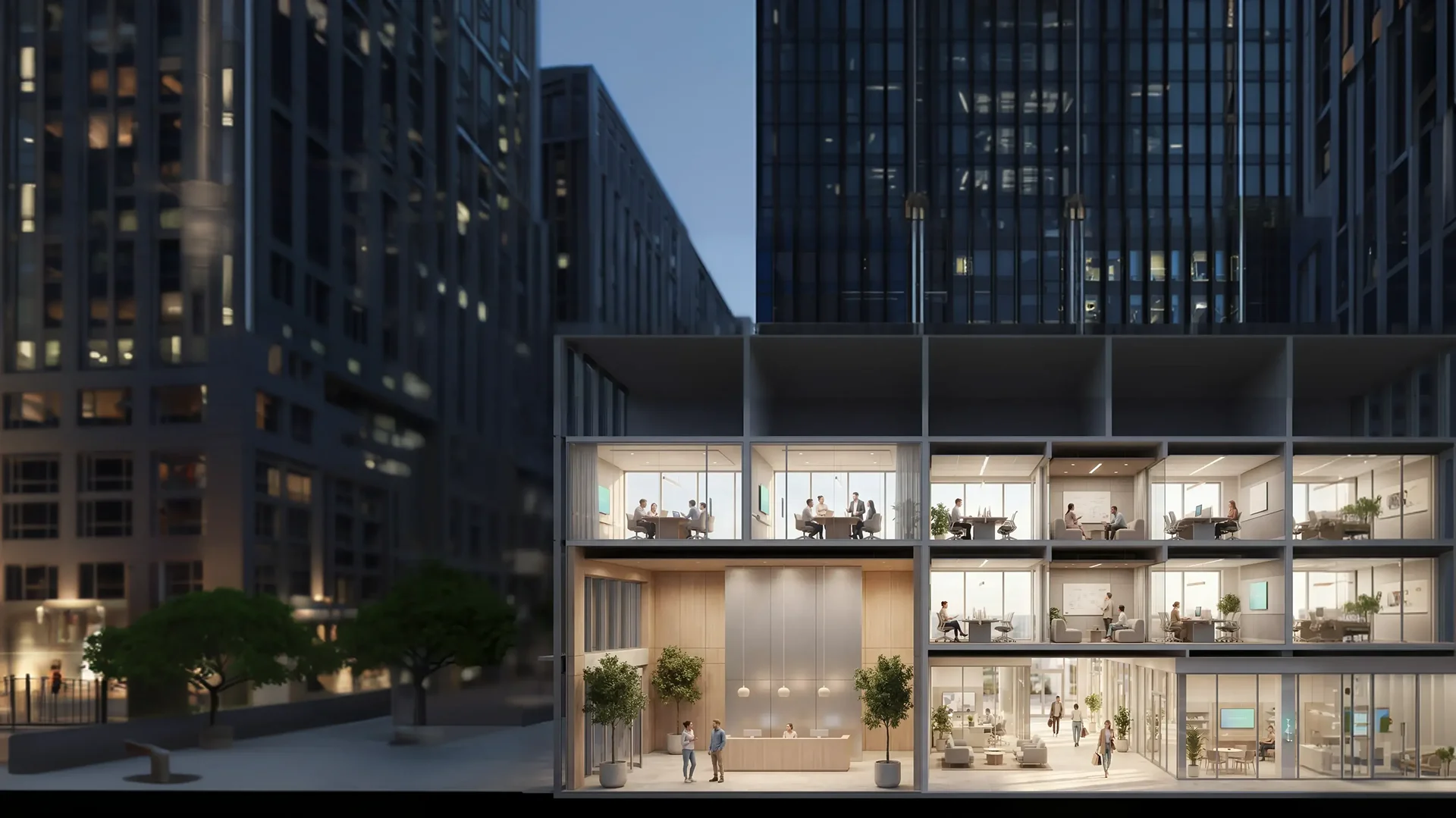
Commercial Real Estate & Workspaces
Healthcare & Medical Facilities
Fitness, Wellness & Sports
Residential & Senior Living
Education Sector
Facility Types
- K-12 Schools
- Universities
- College Campuses
- Training Centers
Key Spaces Monitored
- Classrooms
- Lecture Halls
- Laboratories
- Libraries
-
Washrooms
(Vape Detection)
Hospitality, F&B & Retail
Facility Types
- Hotels
- Restaurants
- Cafés
- Shopping Malls
- Luxury Boutiques
Key Spaces Monitored
- Dining Halls
- Commercial Kitchens
- Cold Storage Units
- Guest Rooms
- Retail Floors
Commercial Real Estate & Workspaces
Facility Types
- Office Towers
- Business Parks
- Co-Working Spaces
- Mixed-Use Developments
Key Spaces Monitored
- Open-Plan Offices
- Meeting Rooms
- Lobbies
- Elevators
Healthcare & Medical Facilities
Facility Types
- Hospitals
- Private Clinics
- Dental Centers
- Diagnostic Labs
- Pharmacies
Key Spaces Monitored
- Waiting Rooms
- Patient Wards
- Recovery Rooms
- Pharmacy Storage
- Sterile Corridors
Fitness, Wellness & Sports
Facility Types
- Gyms
- Yoga Studios
- Spas
- Indoor Sports Complexes
- Aquatic Centers
Key Spaces Monitored
- General Workout Floors
- Recovery Lounges
- Locker Rooms
- Studios
- Pool Areas
Residential & Senior Living
Facility Types
- Luxury Apartment Complexes
- Student Housing
- Senior Living Communities
- Gated Communities
Key Spaces Monitored
- Lobbies
- Common Lounges
- Shared Amenity Spaces
- Gyms
- Hallways
- Elevators
Why Certify?
For Students
Improves concentration and health by ensuring classrooms have optimal fresh air levels.
For Parents
Provides visible reassurance that the school environment is safe, compliant, and free from hidden risks like vaping.
For Guests
Enhances the customer experience by ensuring dining and shopping areas are odor-free, comfortable, and fresh.
For Operations
Protects the brand by automatically tracking food safety (cold storage) and kitchen hygiene without manual errors.
For Tenants
Enhances focus and performance by creating a healthier indoor environment that supports daily work.
For Owners
Increases asset valuation and helps attract premium tenants by proving the building is verified safe and sustainable.
For Patients
Reduces infection risks and accelerates recovery by maintaining strictly controlled air quality and sterility standards.

For Staff
Protects healthcare workers from airborne contaminants and ensures compliance with strict medical facility regulations.
For Members
Prevents the “stuffy gym” feeling by managing CO2 and humidity, ensuring fresh air for peak physical performance.

For Owners
Actively manages odors and prevents mold growth in high-humidity
zones (like showers and saunas), protecting the facility’s hygiene rating.
For Residents
Provides peace of mind that their living environment is free from mold, dampness, and pollutants, which is critical for seniors or families.
For Management
Differentiates the property as a “Wellness-First” residence, justifying premium rents and increasing tenant retention.
How Pure Space Certification Works?
Chats with AI-Bot
Creates BOQ
Sensor send data
Live Alarm Notification
Continuous Live
Dashboard Report
World’s 1st AI Audited Building
Sensor send data
World’s 1st AI Audited Building
Ready to Get Certified?
Your sustainability journey starts here. Join the next generation of organizations leading the change toward data-driven, transparent, and sustainable operations.
Pure Space Certification Plans
Flexible standards designed to reward progress at every stage of compliance.
Silver
$49.90
/month
- Measure Includes:
- Temperature
- Relative Humidity
- Carbon Dioxide (CO2)
Platinum
$99.90
/month
- Measure Includes everything in Gold, plus:
- Formaldehyde
- Ozone (O3)
- ORP
- pH
- TDS
Gold
$74.90
/month
- Measure Includes everything in Silver, plus:
- PM2.5
- PM10
- Total VOCs